

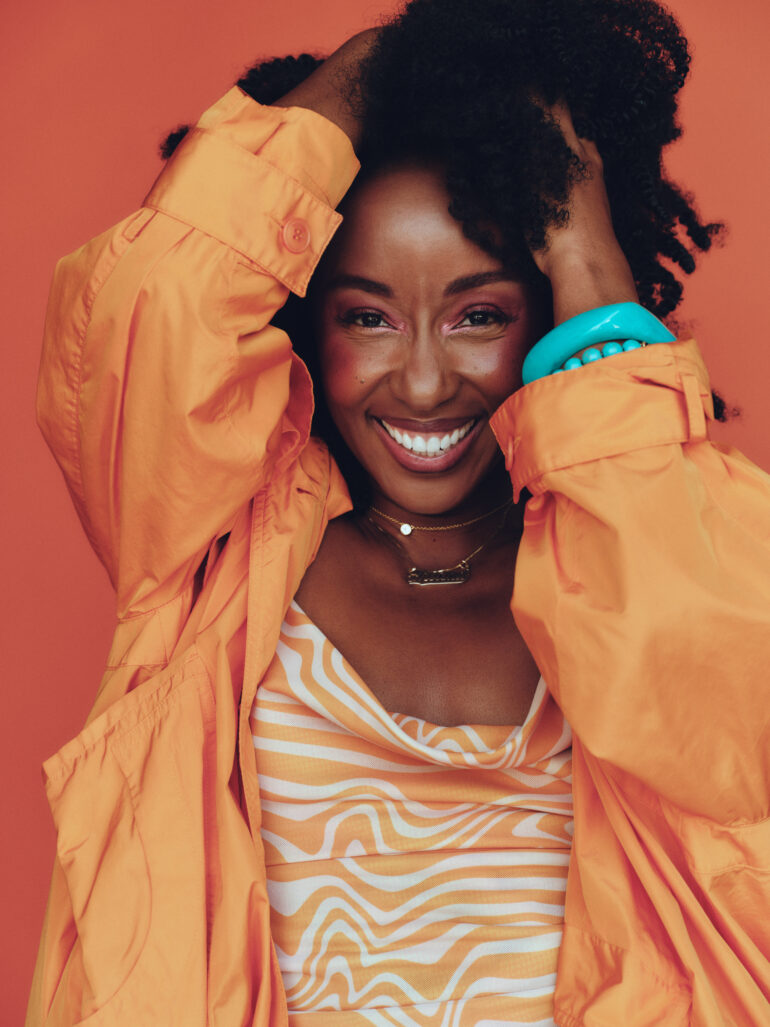
There’s a quiet confidence to Briana Price, the kind that doesn’t demand attention, but naturally commands it. Born and raised in Pasadena, California, her journey is one of discipline, intention, and creative evolution. A graduate of Columbia University with a degree in Education and History and a minor in Dance, Price embodies a rare blend of intellect and artistry, equally at home in academic spaces as she is in front of the camera.
Her career began in motion, literally, as a dancer on the cultural phenomenon Glee, where performance and storytelling first collided. From there, she transitioned seamlessly into acting, earning roles across a diverse slate of projects including Shameless, 13 Reasons Why, and I Think You Should Leave, each appearance adding dimension to her growing body of work.
In recent years, Price has stepped into more prominent roles, from her performances in Hallmark favorites like Christmas Tree Lane and The Holiday Stocking, to sharing the screen with Joel McHale and Jimmy Tatro in California King, and starring opposite Michael B. Jordan in an Emmy-nominated Amazon Alexa campaign.
Now, as a series regular in Divorced Sistas, a project brought to life by Tyler Perry, Price steps into a defining chapter of her career. Her portrayal of ‘Tiffany’ introduces audiences to a character layered with complexity, resilience, and modern femininity. Beyond the screen, Price is equally committed to purpose. A passionate advocate for Black women in health and education, she uses her platform to elevate conversations that matter. Whether she’s creating, reading, or exploring wellness, everything she does feels intentional, rooted in growth, impact, and authenticity. Briana Price isn’t just building a career, she’s shaping a narrative.
You began your career as a dancer on Glee. How did that experience shape your transition into acting, and what did it teach you about performance?
On Glee, I got to witness the marriage of an art form I was already familiar and comfortable with dance, alongside the crafts of acting and singing, in a way that opened my eyes to what’s possible. Working on that set was so fun, so liberating, and a completely different performance experience than anything I’d been through before. I was also deeply inspired by the connections the actors had with one another, and how welcoming they were to guest cast, dancers, and background actors. I loved the sense of community being built in that environment. I wanted to be a part of that. The rest is history.
Your academic background from Columbia is incredibly strong. How has your education influenced the way you approach your craft today?
Ironically, I studied to be a doctor. I always joke that at some point in my career I’ll put that knowledge to use on TV or film. I think my education has deepened my curiosity; I’m always looking to learn something new and understand things more thoroughly. I approach my work with that same curiosity, and what’s beautiful about this craft is that there’s always more to open and uncover, specifically because humans and human behavior are, at their core, unknowable.
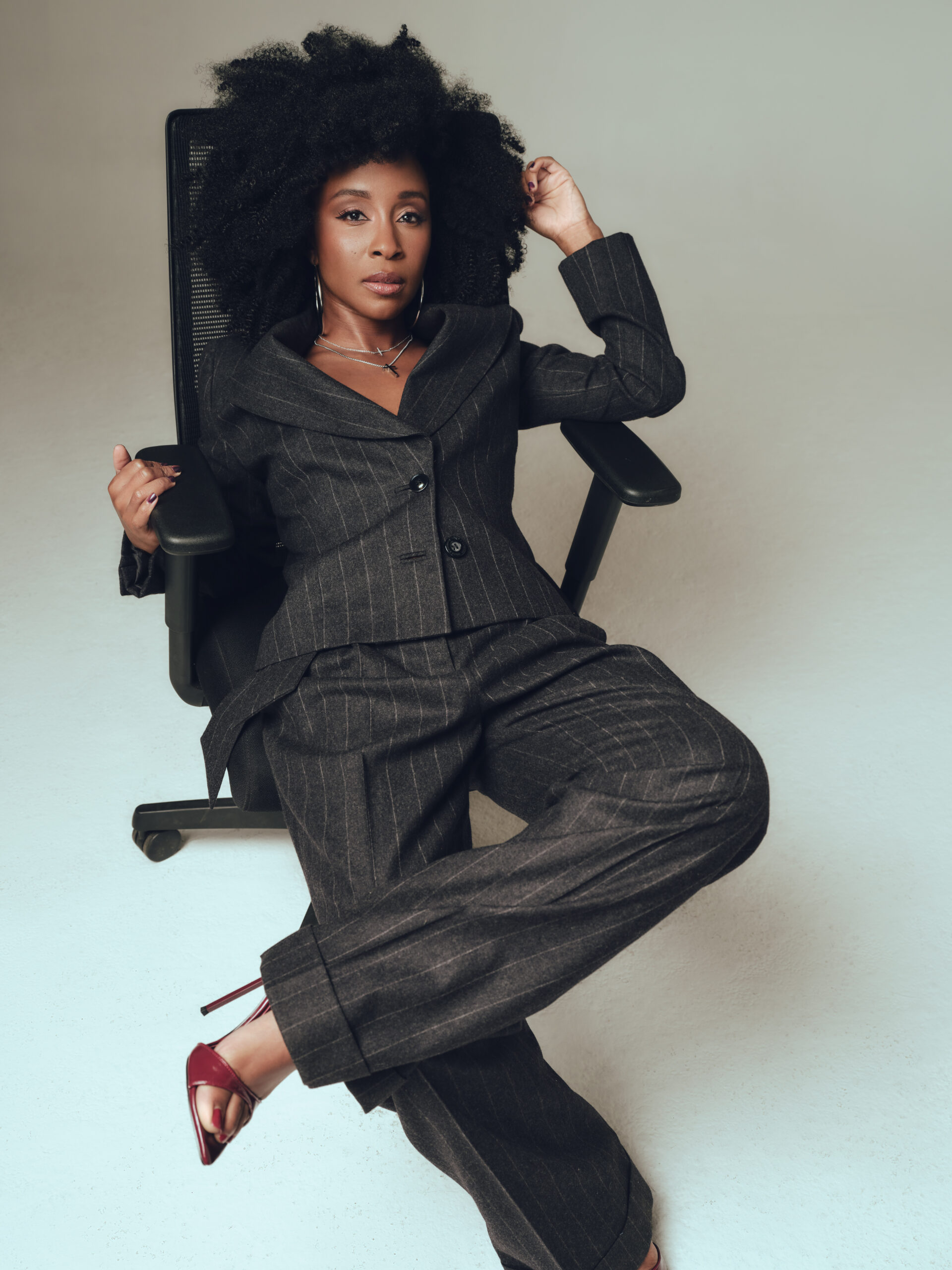
You’ve worked across a wide range of genres, from drama to comedy to holiday films. How do you choose roles, and what draws you into a character?
Most of the characters I play have a strong sense of conviction about what is right. They’re fighting for love, justice, truth, or some version of all three. I gravitate toward those roles because there’s a part of me that is always fighting for those same ideals in my own life and in the world. What attracts me to specific characters is their determination to overcome wounds, obstacles, and expectations, driven by a deep conviction in something better.
Your role as Tiffany in Divorced Sistas feels like a major moment. What can audiences expect from her, and what made you say yes to this project?
I absolutely love Tiffany. This role has given me permission to open myself up to life in a more expansive way. Audiences can expect Tiffany to wrestle with her intuition, but ultimately come back to herself and realize that her truth and her foundation are worth trusting. What made me say yes was, first and foremost, the opportunity to work with Tyler Perry. He’s iconic and such a consequential force in film and TV, and has done so much for the Black community and Black artists. But I also deeply believe in the strength of sisterhood and Black womanhood, and I think it’s so important to shine a light on both the difficulties and the joys of the relationships that carry us through our lives.
Working with Tyler Perry is a milestone for many actors. What did you learn from that experience, both professionally and personally?
This has been a huge milestone for me. What I’ve taken away (and I’ve said this time and time again) is to dream bigger, that nothing is impossible, and that I already have all the tools I need to manifest those dreams. He is an absolute genius. The way he works on set is like a choreographed dance, which obviously speaks to me. Working with him opened up a vision for my future that had previously felt obscured. I also came to understand the weight and importance of what film and television can do to shape perspectives, ideas, and ultimately shift culture and narrative. I realize that’s an enormous responsibility, and I hold it with great care and love.
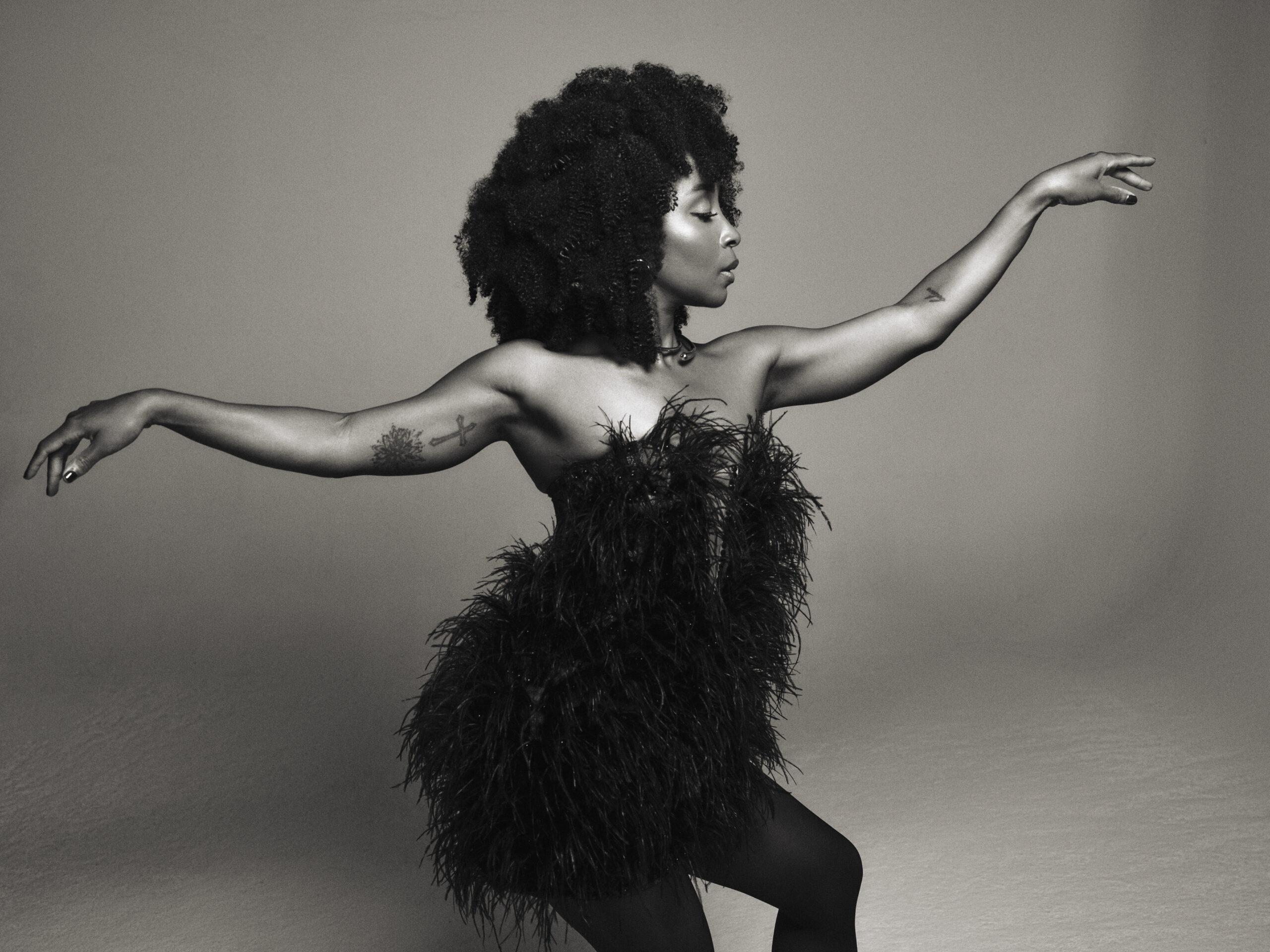
You’ve shared the screen with talents like Michael B. Jordan, Joel McHale, and Jimmy Tatro. How have those collaborations influenced your growth as an actress?
I’ve been so blessed to work with so many talented people, and what I’ve learned from all of them is that humanity is interesting, simply being oneself is enough. Working alongside artists with such distinct points of view has also helped me understand the importance of refining and clarifying my own. Ultimately, that specificity is what makes one’s work resonate.
You’re also stepping into directing. How does your perspective behind the camera differ from being in front of it?
Directing is like throwing a party. You want to make sure everyone has what they need, that you can communicate clearly with each person on your set, and that there’s a larger vision holding the space together, creating an atmosphere where everyone feels at ease and comfortable. It’s also a way to tell stories differently and collaborate with artists in a completely new fashion. Directing allows me to be part of a project from inception all the way through to completion, which I love. Being in front of the camera is a different experience entirely. I’m stepping into the life of one human being and exploring the corners of that person. Directing requires that I step into the world of the story and inhabit the experiences of many different people from many different angles. Ultimately, it’s a way to expand my understanding of what drives people, what they want, and reflect that back to my audience.

Advocacy is clearly important to you, especially when it comes to supporting Black women in health and education. Where does that passion come from?
As I mentioned, I went to school to be a doctor. I’ve experienced both sides of healthcare: I’ve seen the unrealistic demands placed on health professionals, and I’ve also been on the receiving end of burnt-out care. Historically, Black women do not receive the attention or the care we need. Our pain is dismissed in ways that are unconscionable. It’s well documented that Black women are more likely to die in childbirth, more likely to go undiagnosed for serious conditions, and are disproportionately affected by a lack of access to quality healthcare in this country. Without physical health and wellness as a basic foundation, Black women cannot reach their full potential or live lives that are joyful and purposeful. If we can arm our communities with education — not just about our bodies, but about our minds, our spirits, and our history — we have more tools to advocate for ourselves in rooms that would otherwise dismiss our humanity.
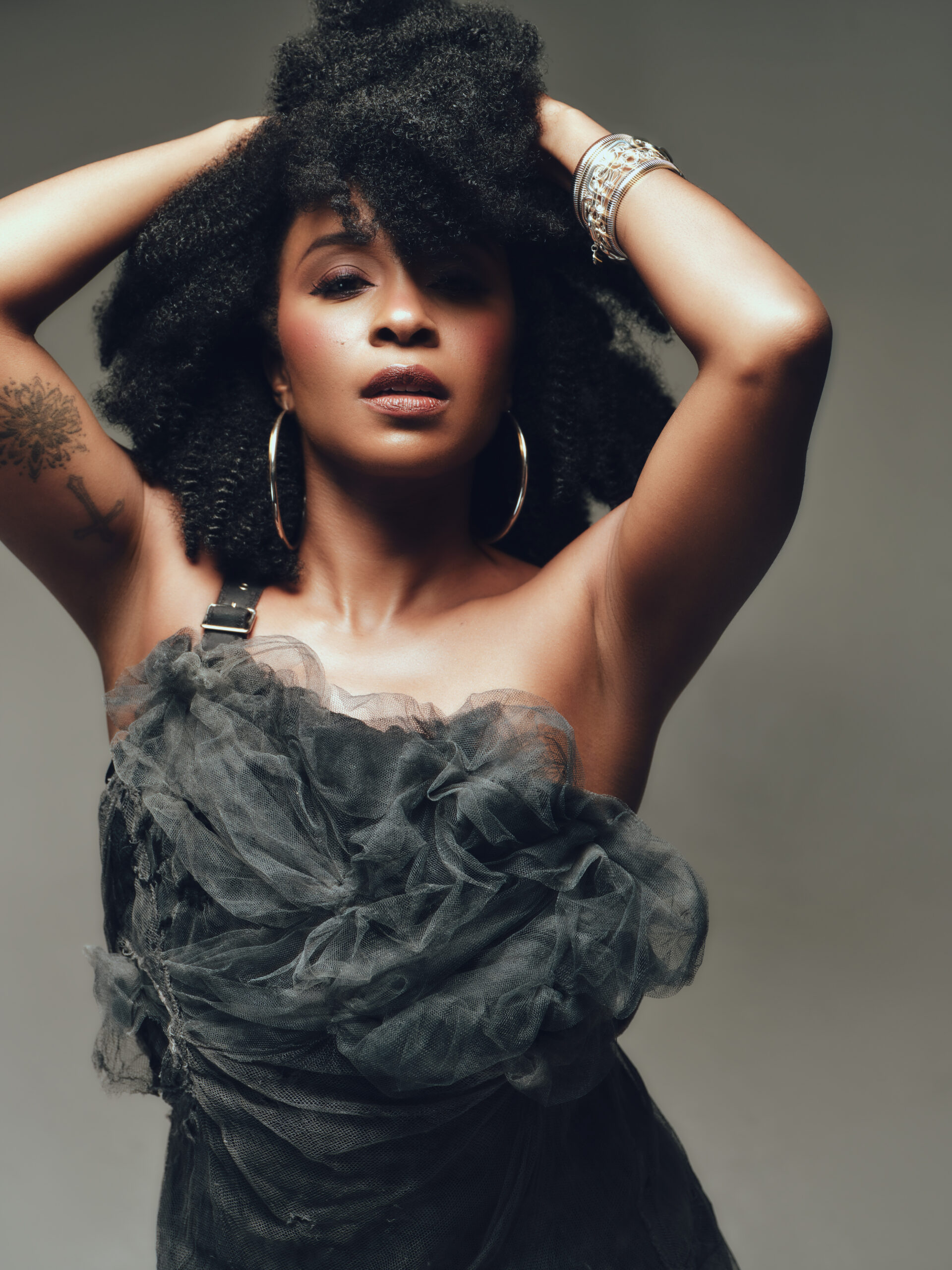
In an industry that can be fast-paced and demanding, how do you stay grounded and prioritize your own wellness?
I have a whole list! I start every day by meditating at least 10 to 15 minutes, and on days when I have more time, that can extend up to an hour. I also journal every morning, giving myself space to get in touch with whatever is coming up for me internally so I can take care of my needs. Physical activity is another daily anchor, it gets me out of my head and back into my body. I’m also a huge advocate for therapy. I love my therapist, and the work we’ve been able to do together has been profound. And lastly, I’m diligent about checkups and screenings. That’s non-negotiable for me.
Looking ahead, what kinds of stories do you want to tell — whether as an actress, director, or creative? And what legacy are you hoping to build?
I would love to continue telling stories about strong, courageous women, but I’m also deeply interested in the female anti-hero. There’s something compelling about seeing Black women in roles where they defy societal expectations and subvert the tropes we’ve seen so often on screen. That kind of representation allows Black women to be seen in a fuller dimension, which only expands the space for our humanity. I’m also very drawn to the female experience in America, particularly as a woman of color. Right now, we are up against enormous opposition when it comes to bodily autonomy and social autonomy, and I want to explore how those pressures affect women on a micro level in our relationships with other women and in our relationship with ourselves.
As for my legacy, I hope people look at my work and feel a little more permission to be authentic. A little more permission to be flawed and vulnerable. A little more permission to love freely and release fear and limitation. I want to be an example that nothing is out of reach, and that we are so much more powerful collectively than we are alone.
Instagram: @BrianaNPrice
Photos: Johnny Marlow