

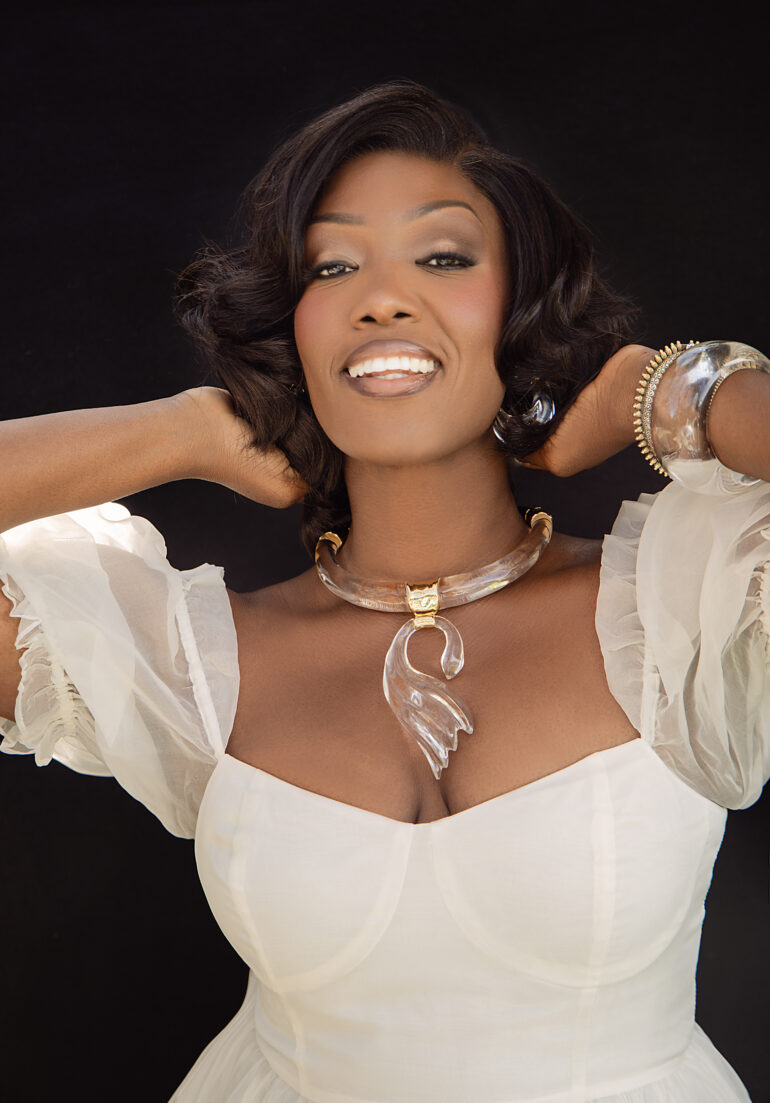
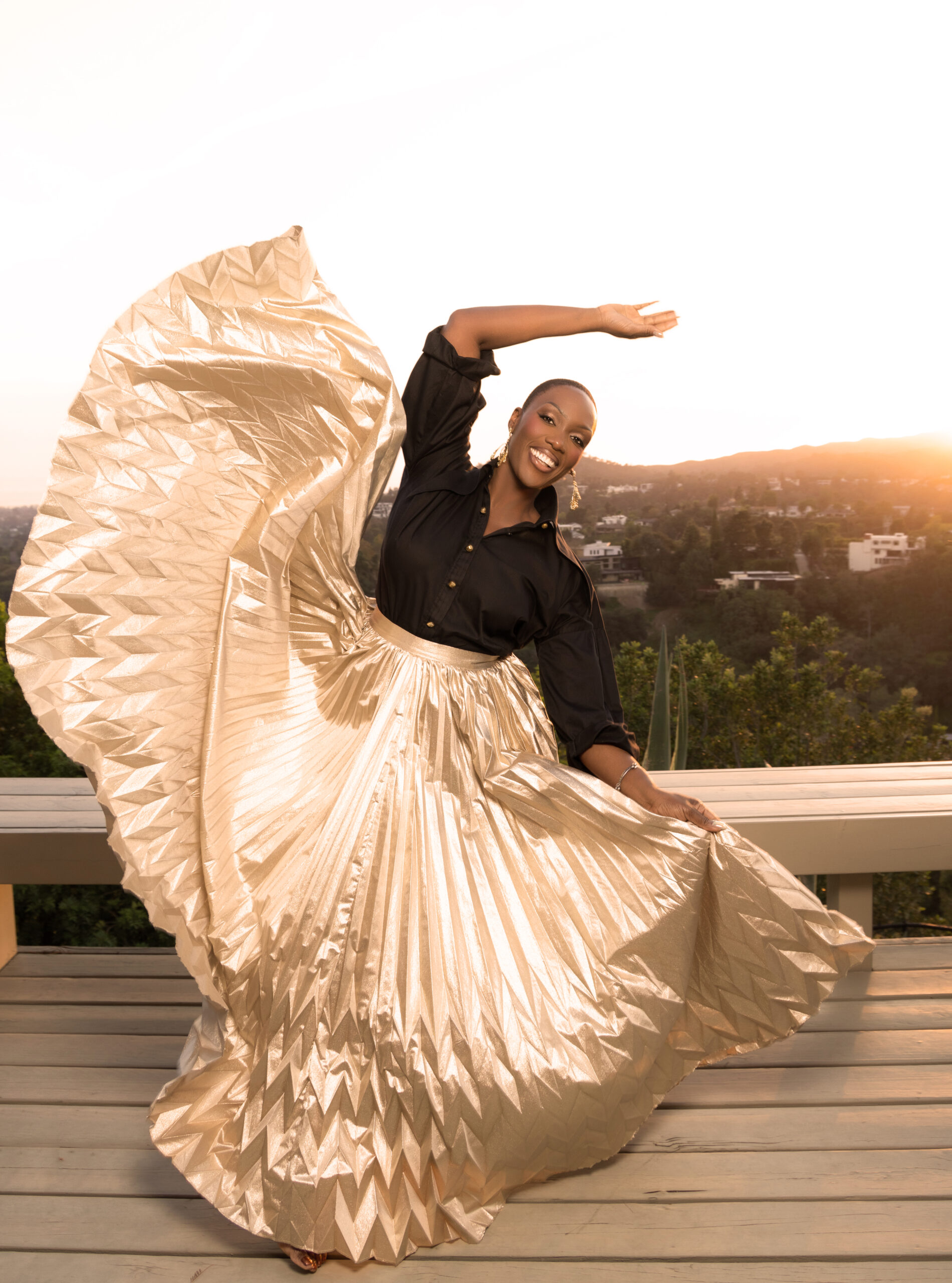
Carolyn Michelle is one of those performers who doesn’t just enter a scene, she quietly reshapes it. With standout work across television staples like Russian Doll, And Just Like That…, The Chi, and House of Cards, she’s built a career defined by precision, restraint, and emotional intelligence. This season, she stepped into a compelling guest arc on NBC’s Brilliant Minds, which aired Mondays at 10/9c, with her first two episodes that premiered on November 24 and December 1. On the film front, Michelle delivers deeply affecting work in Familiar Touch, starring opposite Kathleen Chalfant. The film, now Certified Fresh at 98% on Rotten Tomatoes and nominated for a Gotham Award for Best Feature, explores aging, care, and dignity with rare honesty and grace. Beyond the screen, Michelle is also an educator, most recently serving as a visiting lecturer at Cornell University, bringing the same thoughtfulness to the classroom that defines her performances. Up next, she will star in the historical drama Lowndes County, set in 1959 Mississippi in the charged years following Brown v. Board of Education and before the Civil Rights Act. Another chapter in a career rooted in depth, purpose, and cultural resonance.
You’ve built a career around roles that feel lived-in rather than performed. What first drew you to acting as a long-term practice, not just a profession?
A “Long-Term Practice” couldn’t be more aptly put. They often say “practice makes perfect”, however I’m a believer that “practice makes True”. Truth can be intimate and healing. As a child I loved observing the silent moments of those around me. Language is often about armor and control. But in silence, you’re simply experiencing the essence of a person. In the early days of my acting journey I was drawn to that silent essence in my characters. Finding opportunities for behavior, glances, and breath that told a deeper story connected to their Truth. And because of Truth’s healing power, I see my work truly as a life-long act of service more than a profession.
Your guest arc on Brilliant Minds arrives at a moment when audiences are craving emotionally intelligent television. What excited you about stepping into that world, and how did you approach the character knowing your time on screen was finite but impactful?
What excited me most was working with this wonderful team of collaborators, that had already developed a nuanced relationship to this storyline. Playing ‘Clair Mapesbury’ offered me the opportunity to step into the intimate space of motherhood, as well as what it means to navigate a complex relationship with a son battling mental illness. The show’s writers and producers had a tremendous vision for ‘Clair’, and I felt deeply honored that they trusted me with her story. I felt that it was most important to root into my connection with ‘Sam’, Clair’s son. Although it was a finite amount of time, their connection, as well as her perspective of this experience felt the most important. The writers wanted to make it clear that his mental illness wasn’t due to challenges in the family, but that challenges with mental health can affect us ALL, regardless of race or economic background.
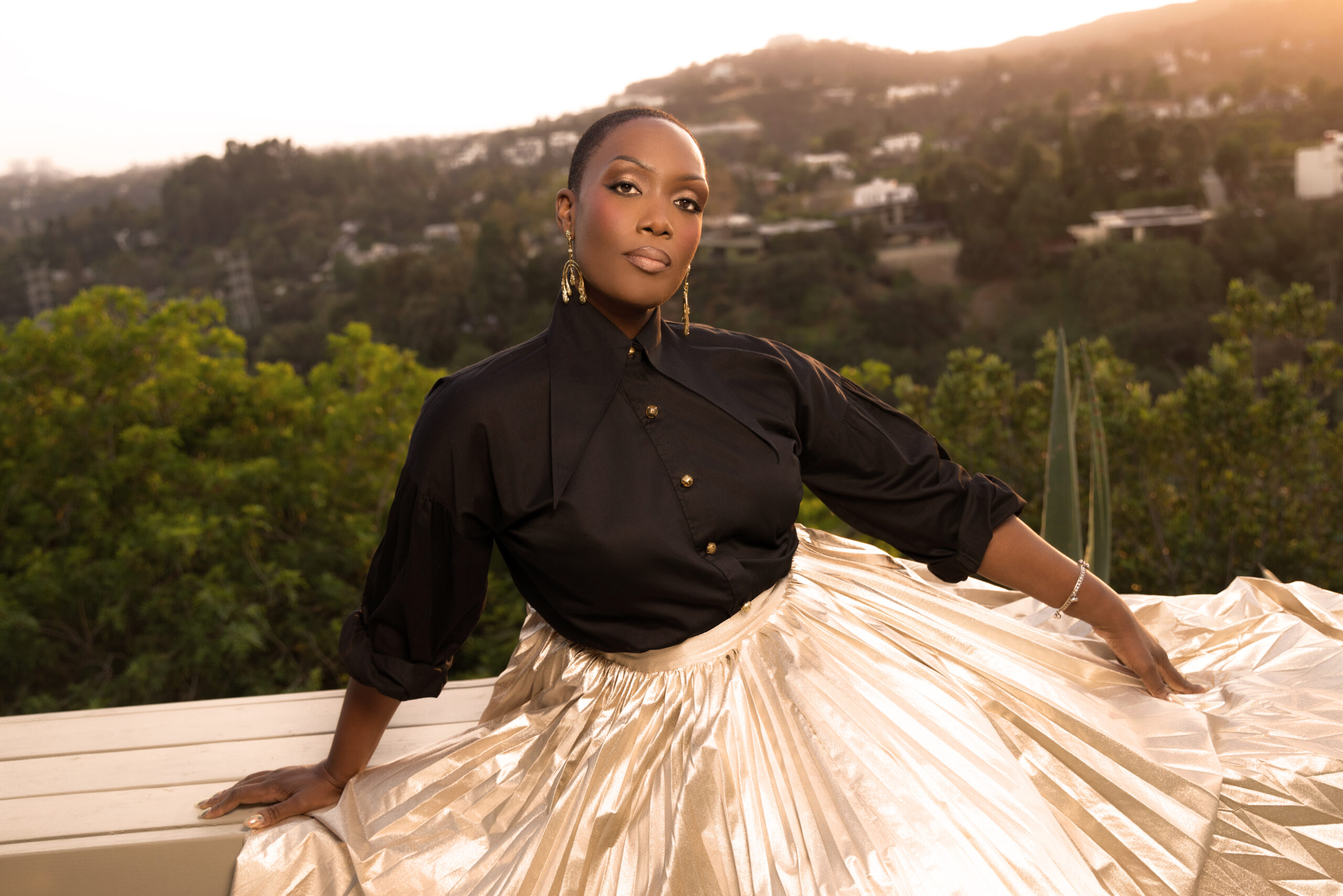
Familiar Touch handles aging and care with uncommon tenderness. What conversations did this film open up for you personally about aging—both as an artist and as a human being?
So many conversations! I’ve always been profoundly interested in the journey of aging. I was also my mother’s caregiver while she too navigated Dementia. As an artist, working with Kathleen Chalfant, technically I found myself enthralled by her simplicity. She made me realize that as artists, as we mature, we learn how to work “efficiently.” She was energetically efficient in ways that intrigued me, and always made the work more honest. As actors when we begin our careers we equate energy output with talent. I’ve learned that’s not true in every case. She helped me understand that each job requires a slightly different set of tools, as well as managing the energy that’s required for a role.
As a human being, I see aging very differently now. I find myself celebrating and enjoying moments, fully in the present. I recognize that we all only have about 75 well and able Summers in us… that we must relish every moment. Also that when things begin to shift, we relish every moment during THAT time too. Cognitive Decline is not an experience to be pitied, but allows us to reorient our thinking into celebrating the present moment. Presence. Presence is the Present.
The film touches on socioeconomic and racial disparities within senior care. Were there moments during production that challenged your own assumptions or deepened your understanding of that system?
To be honest…both. When we filmed at Villa Gardens in Pasadena, California I was deeply fascinated by the residents. Many of them were actively a part of the production of our film. They were all comfortably able to afford the ten to fifteen thousand dollar monthly rate for specialized care, however the number of residents from black or brown communities was less than 1%. The reality is that specialized care like what Ruth receives in the film, up until this point, has been a fairly, racially exclusive experience. Sadly, we are at an unprecedented time in history where funding for senior care for every race is becoming more and more limited as the need only rises. Cases of Alzheimer’s/Dementia are doubling and tripling, and the level of focused, attentive care like what Ruth receives from Vanessa is rarer than we realize.
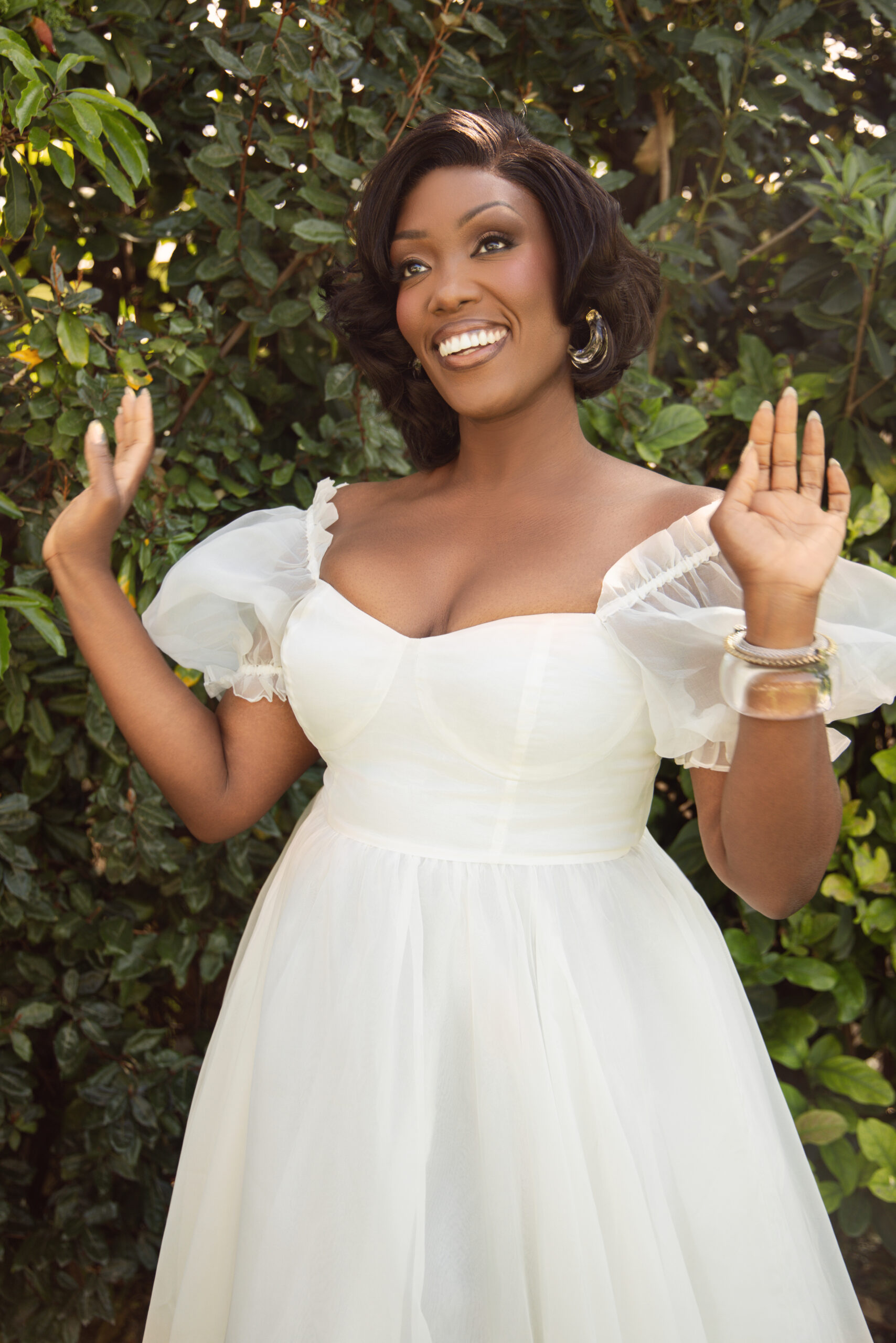
Care work is often invisible and underfunded, yet essential. What do you hope audiences walk away thinking differently about after watching this film?
I hope audiences walk away with several sentiments after the film, but there are two major thoughts that ring the most true for me. The first is that I want them to consider what quality care means for themselves and their loved ones. Whether that’s the decision of putting a loved one into care, or choosing to be their sole caregiver, there will always be many iterations of what “quality care” looks like. But second, and perhaps the most important for me: That they treat professional caregivers respectfully, honoring the work they do with a reverence of the highest order. These are the individuals, clothing, feeding and bathing our loved ones. Seeing them at some of the weakest, most vulnerable moments of their lives. Individuals who choose to see them in ways our loved ones may never want to be seen. For that they deserve our greatest respect, compensation and social regard. It’s not invisible work because the benefits of a job well done are VERY visible. These individuals are often the last to love us…therefore we need to love them out loud.
Acting opposite Kathleen Chalfant is, for many performers, a masterclass in itself. What did you learn from working alongside her, especially in a story that relies so heavily on quiet emotional exchange?
Well, in addition to how she efficiently managed her energy, I also just loved the questions she asked and how present she was with the residents of Villa Gardens. She was roughly the same age as many of the residents and never observed them through an outside lens, but instead stayed fully ‘inside of the experience’ with a childlike sense of wonder. She taught me that there is space for wonder in all of us, at every point in our lives.
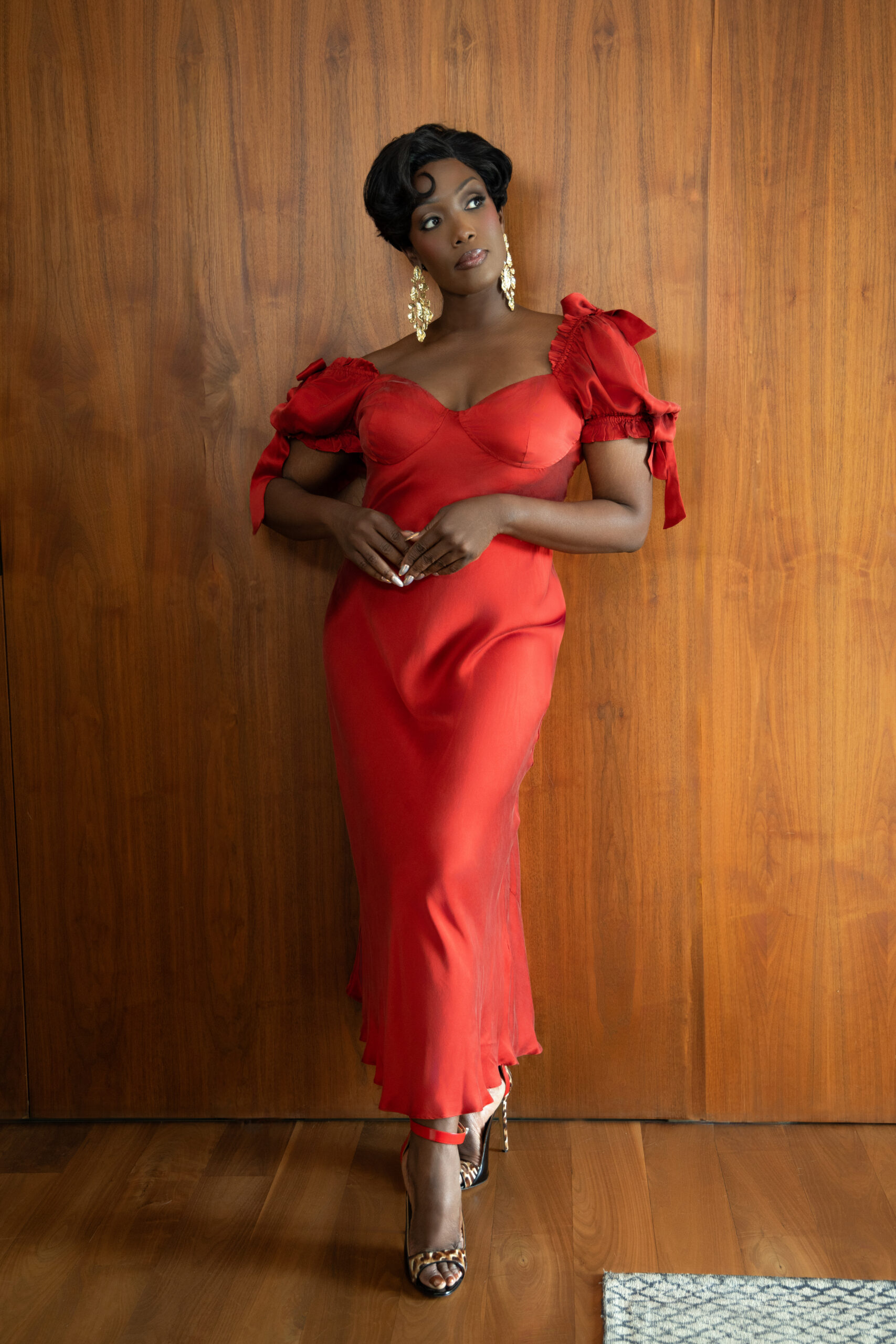
You’re also an educator, having taught at Cornell. How does teaching inform your acting and does being in the classroom change how you think about storytelling and responsibility?
Well, there’s also ironically “responsibility in storytelling” and again that always goes back to Honesty. I often encourage my students to ask as many questions as they can about the characters they’re playing, as well as to consider their many similarities with them as well. I believe the more often we’re able to find these inherent, humanizing connections with our characters, the closer we are to their Truth. Teaching keeps me honest, keeps me questioning. Reminds me that social hierarchies are meaningless as long as everyone is actively in a space to learn. If we’re all learning, we’re all equal.

Looking ahead to Lowndes County, this film is set during a deeply volatile and transitional period in American history. What does it mean to you to tell stories that sit in the uncomfortable space before progress is fully realized?
Aren’t we in a similar period right now? What a gift and a treasure to tell stories of these periods in history. They are prescient of the most change. Working on “Lowndes County” was truly a gift in every way. From our cast, our producer Madeleine Molyneaux and writer Talaya Delaney, and to our legendary director Kevin Jerome Everson. The role of Cassilee is one that audiences will come to discover as a pillar of the community who becomes highly visible when the need arises. She has quiet power. She understands how to manage access and resources… but she also cares deeply for her community. To me she represents what true matrifocal power can look like in a society. It looks like Empowerment. And Empowerment is not about power, as much as it’s about nurturing a community with resources. Talaya Delaney and Kevin Jerome Everson have created a character that does just that.
You’ve moved fluidly between television, film, and academia without losing a clear sense of voice. How intentional has that balance been, and how do you decide what projects deserve your time?
Between all three the question is always: “What can I learn from this experience?” It’s all very intentional. Being adaptive is also intentional. I realize the best way to stay facile is to keep entering new spaces using familiar skill sets. I want to stay facile and curious always. Also, I’m a big fan of “future-mapping.” It’s an intentional way of looking at every decision and asking the question: “How can this opportunity potentially set me up for the future?” Ironically, it can often set you up in unimaginable ways. But when I intentionally view each endeavor through that lens, it deepens the potential value of an experience.
When you look at the body of work you’re building now, what kind of legacy feels most meaningful to you, not in accolades, but in impact?
For every viewer and student of mine to one day say: “Her curiosity and intentionality helped me peel away the layers, in order to see myself as whole and complete. Her life’s efforts healed me…” That’s the legacy that will allow me to rest well.
Photography: Diana Ragland
Hair: Brian Christopher
Makeup: Armando Garcia
Wardrobe: AmbiKa Sanjana