


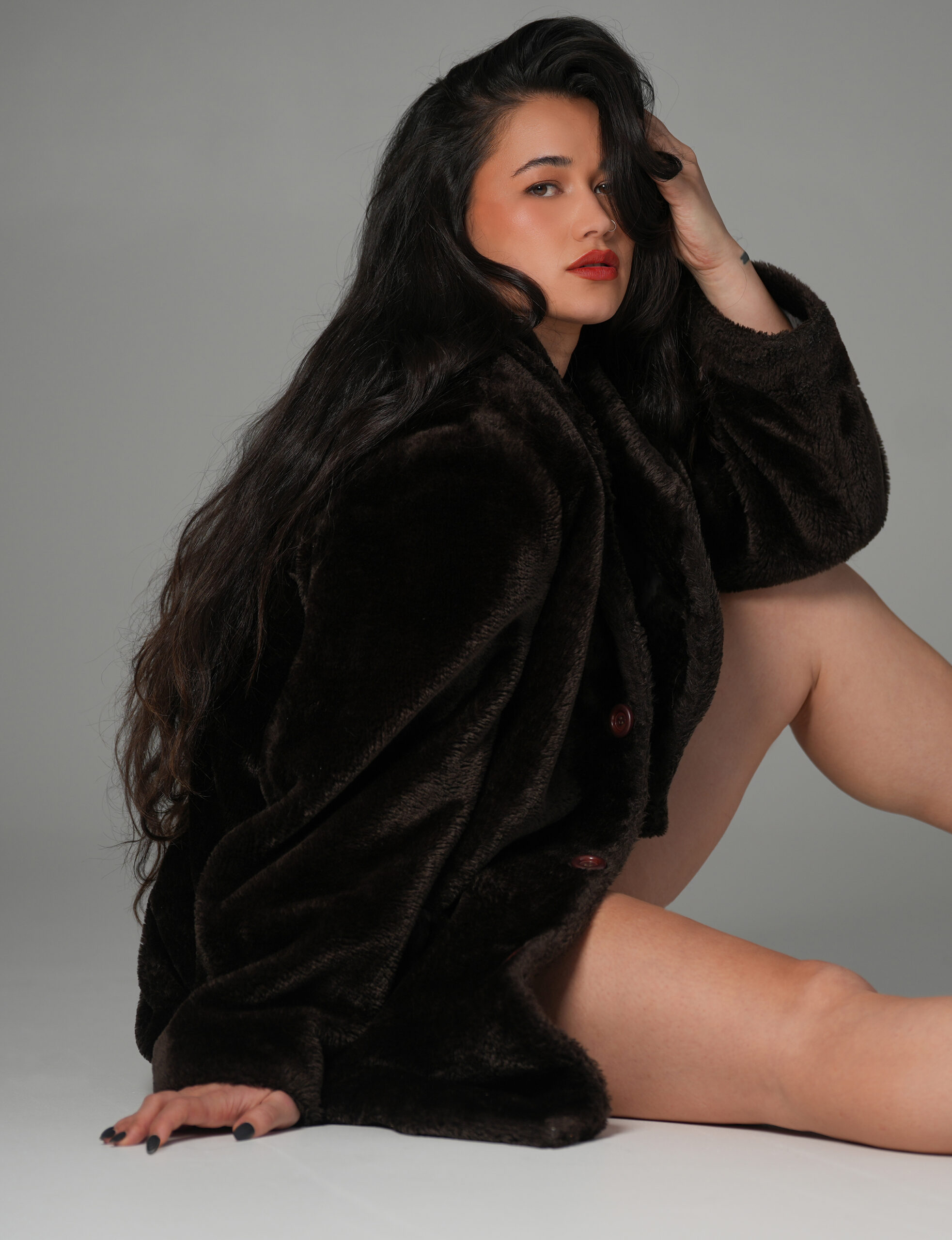
Born in the rich cultural lands of Te Tairāwhiti, Gisborne, New Zealand, Te Ao o Hinepehinga is a force of nature — and not just on screen. Raised in a politically active household under the watchful eye of her grandfather, a politician, Te was nurtured in advocacy, activism, and the unapologetic celebration of indigenous identity. Fluent in both Māori and French (talk about range!), her path began in music theatre and dance — eventually taking her across the Tasman Sea to work as a Latin dancer and showgirl in Australia.
But don’t get it twisted — Te didn’t just step into acting. She claimed it. After making her debut in “Black Hands”, and then owning the screen in “Head High”, Te now stars as Mai in the gripping drama series “Breakwater”. Off-camera, she’s a lover of yoga, fitness, gardening, and baking, and stays rooted in her purpose-driven work — from leading protests to co-founding ICAN, an initiative empowering Indigenous artists through free workshops in Hawaii.
Now, we dive deeper into the world of Te — a conversation that moves between culture, creativity, and carving out your own lane.
You grew up surrounded by politics and activism — how did that shape your voice as an artist and storyteller today?
It’s a gift to grow up surrounded by your culture and to have role models around me, empowering that culture, as it strengthened by sense of self. It was liberating. There’s a sense of understanding and authenticity that I’ve come into as an adult, knowing my people’s history and our journey as a nation. Not only that, but it has taught me empathy, to look beyond surface level and question the depth of new places and cultures that I am welcomed into. It’s allowed me to have a deeper appreciation for all our citizens and cultures of the world.
From musical theatre and Latin dancing to dramatic roles on TV — that’s quite the evolution. What made you say, “acting is it”?
It’s been a journey for sure… It’s hard to put that experience into words. It was a feeling, I guess? I don’t enjoy attention personally, it’s scary, like being under a microscope. Acting is becoming someone else, understanding someone else. You get to live a million different lives and I guess for a little village kid like me, that was exciting. I got to explore new places and experiences through these stories and once I figured that out. I never wanted to stop. I don’t know if I ever will.
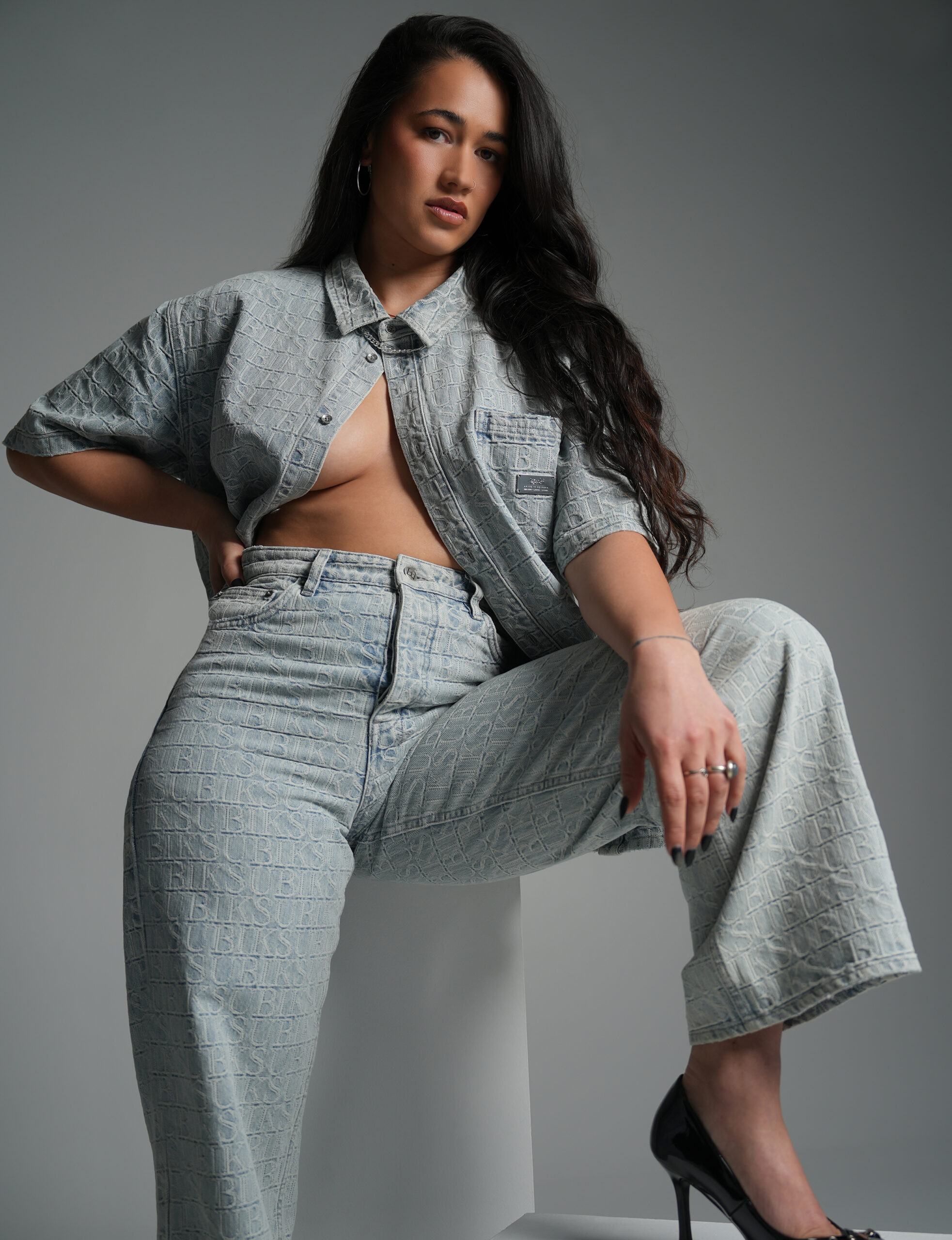
Many would consider leaving a family legacy in politics a risk. What was that emotional pivot like when you chose to pursue acting full-time?
I think life is a risk. Following in your family’s footsteps might seem like the responsible choice but that doesn’t make it any less risky. You still have to work for your success. I realized early on that if life was going to be hard work, then I wanted it to be something that made me happy and not just what came easy. I don’t mind hard work; I just don’t want to get to the end of the road and find myself wondering “what if…” and besides, who said I can’t do both?
Congrats on your outstanding work in “Chief Of War”! How much of yourself do you see in Kupuohi, and what parts surprised you?
Thank you! She really is an incredible woman. Her history is filled with such strength, it was intimidating to step in her shoes, but she taught me so much about the woman of Polynesia. My family will call me a marshmallow and there is a lot of truth in that description. However, the women in my life are Kupuohi, embodying her was like reaching into my memories of all the incredible women that raised me. I had an absolute blast walking in their shoes! No wonder they blaze through this world with such fire, it’s intoxicating.
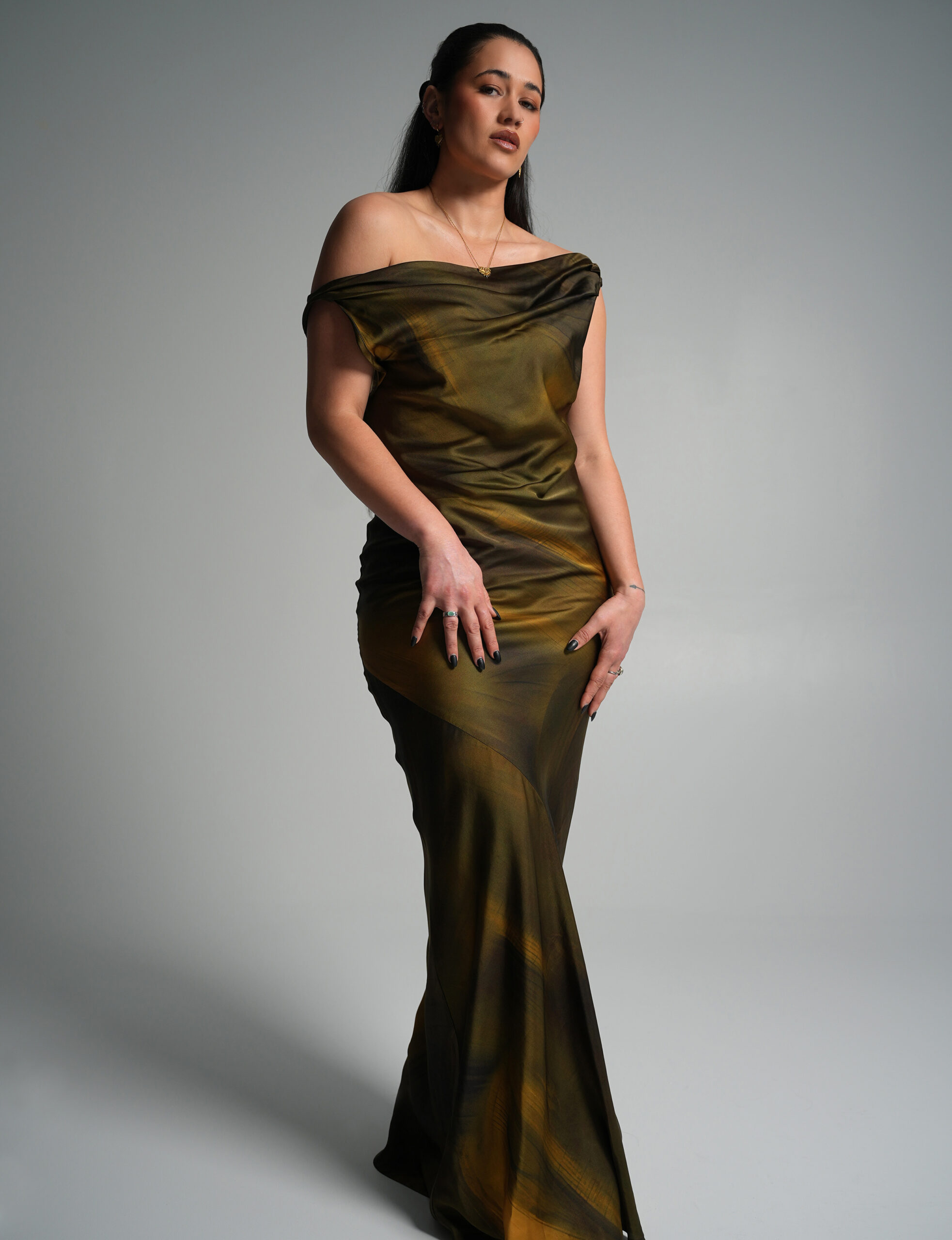
“Chief Of War” honors Hawaiian culture and history. What was it like soaking in the culture, learning the language and embodying this strong warrior woman character?
What a privilege… I am so grateful to my language coach Kalei Kawa’a and Awaiaulu for all they invested into this project. It is such a gift to be invited into a community, to share in their aloha and be allowed to bring that to the world. Hawai’i shared a piece of themselves with us all and it is the honor of my life to have played a small part in their making history.
Being Māori, how does your cultural identity influence your creative work and the roles you say yes to?
I think growing up with such a deep connection to my cultural practices, specifically in our oral history practices of storytelling, has allowed me to understand the care and respect stories deserve. Whether it be the story of a people or one single person, that story holds a piece of them. As an indigenous woman, I always aim to approach it with the same care I hope people approach my own culture and history, with an open mind and heart.
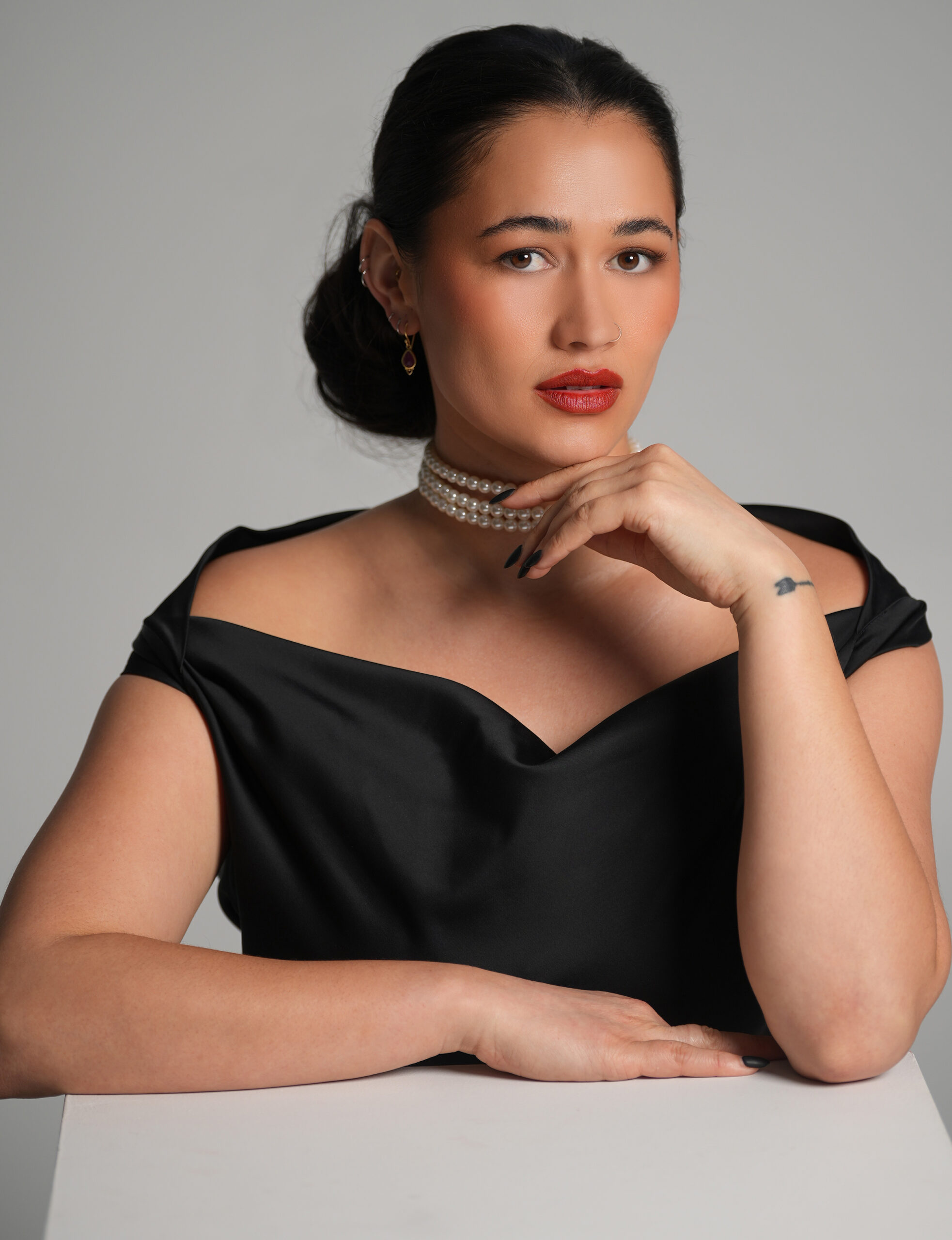
ICAN is such a powerful initiative — helping Indigenous artists prepare for global opportunities. What was the spark behind starting it?
ICAN came from a promise I made to someone when I said yes to “Chief of War”. Taking on this role wasn’t simply a job to me, it was a commitment to uplifting and supporting my Hawaiian cousins across the way. I didn’t know what that looked like at the time, if anything, the idea found me. The ‘akua heard my promise and set me on the path to meeting Angela Laprete, Brian Keaulana and Robert Suka, so we might see that promise become something. ICAN was what came out of that meeting of the minds, a space that would support indigenous artists on the ‘aina and provide them with more tools to build on what “Chief of War” has done. I’m proud of the work we’ve done together and I look forward to seeing what they do in the future.
Let’s talk down time: You’ve mentioned a love for yoga, baking, gardening — how do those things keep you grounded in a high-energy industry?
I’m a home-body outside of work. I like the quiet of my hometown and the familiarities of my people. All those hobbies are part of that; it’s all the things I grew up doing with the ones that I love and it’s with them that I’m usually doing it. Baking cookies with my nephew, growing veggies for my family, and yoga with mum. I guess the practice brings me closer to them, even when I have to be away. They ground me.
Representation in media is evolving but still limited. What stories do you think still need to be told from an Indigenous lens?
I think all indigenous stories deserve to be told. Those stories give us a greater understanding of the techni-colour world we live in. It allows us to view history and life from different perspectives and I hope it helps us understand each other a little better. It keeps our industry alive! We all tell stories differently, the lense in which we view the world is different from place to place, why not explore and share those perspectives? This world has so much more to offer
What’s next for you? Whether it’s on screen, in your activism, or beyond — what’s lighting you up right now?
I’ve returned to Aotearoa and found my way back on the screen here at home. I recently finished working on a TV show called Te Rapunga on Maori TV. The writer/director was actually my first director in TV on Head High, Tim Worrall. That man is a true artist in every sense of the word; I love working with him! I was even reunited with Grant and his camera team and some of my old Head High castmates, Jayden Daniels and Brooklyn Nathan. It felt very serendipitous, like coming home to where I started this journey as a screen actor. There really is nothing like telling stories with my people here at home, like putting on my favourite jumper. I can’t wait to see what comes next!
Instagram: @TeenoCoffee
Photos: Courtesy of Robert Trathen